

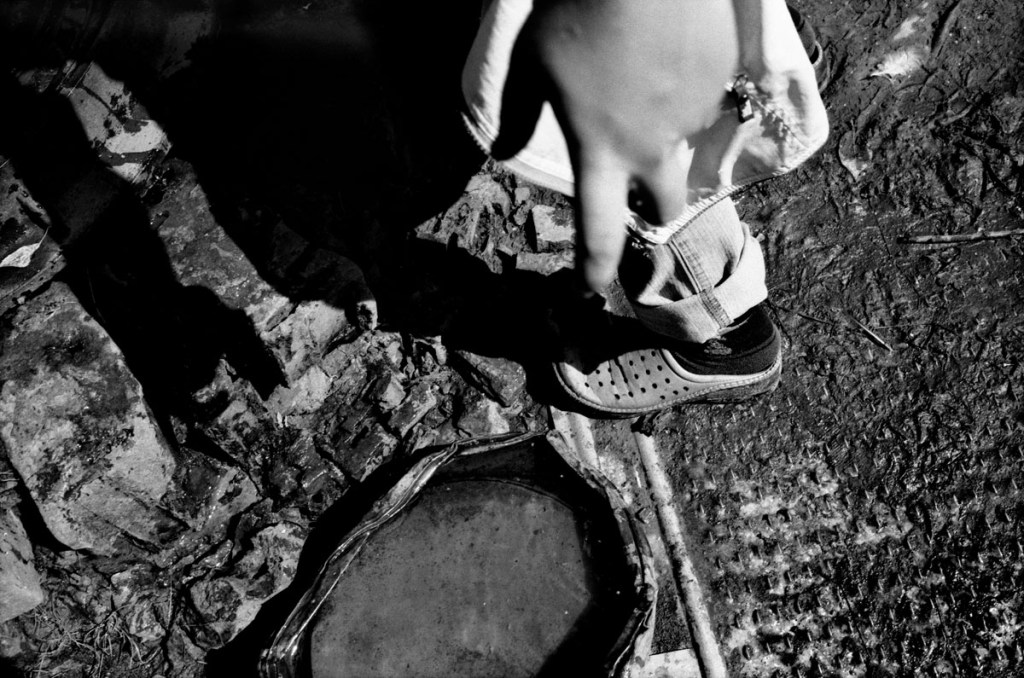
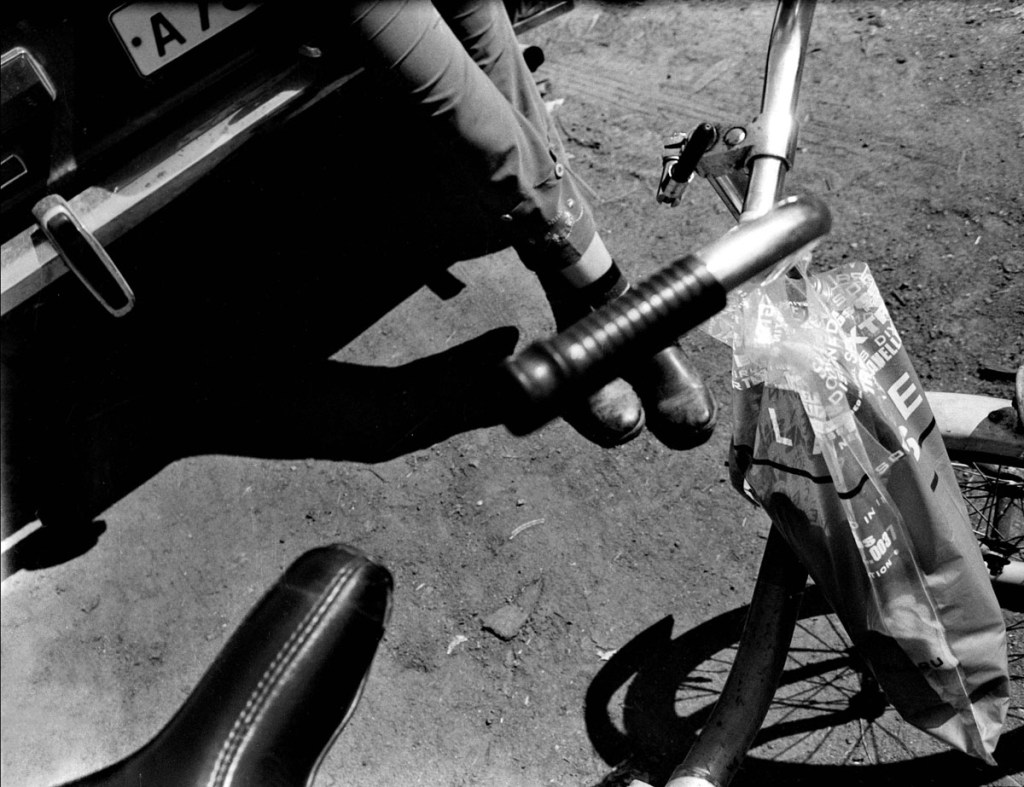

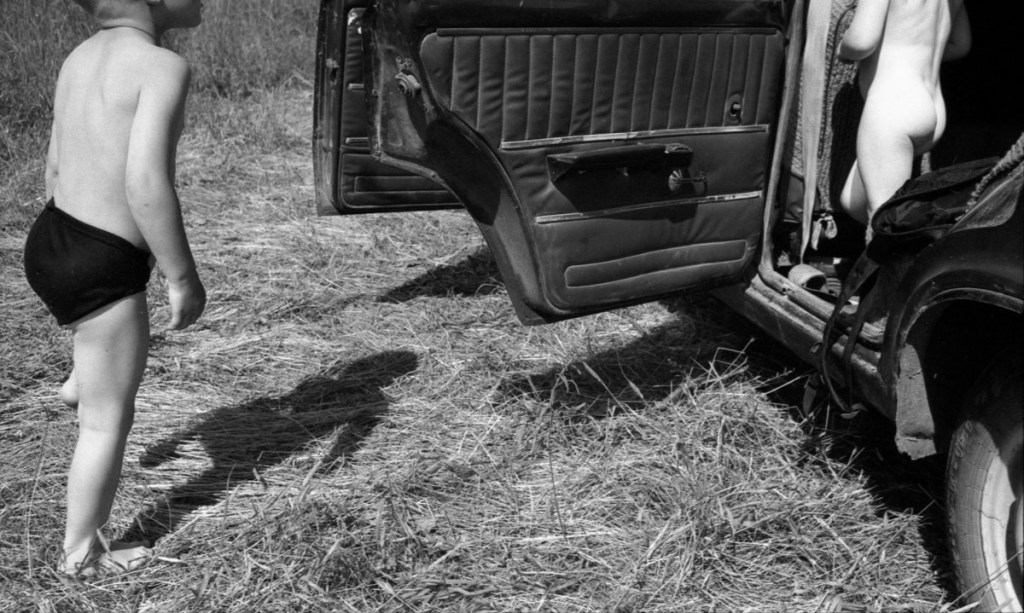
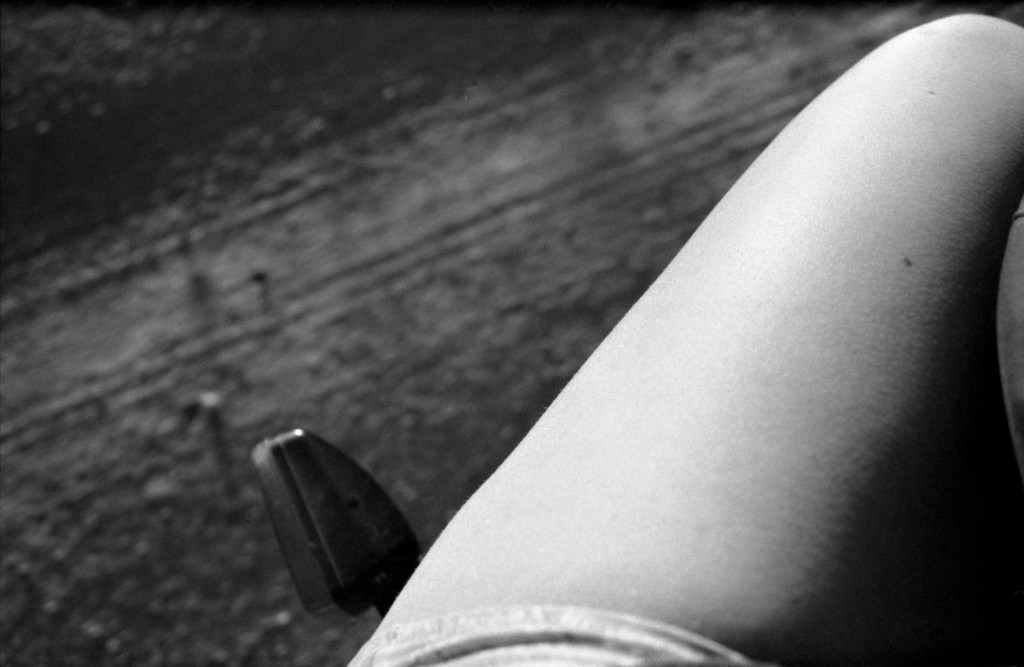
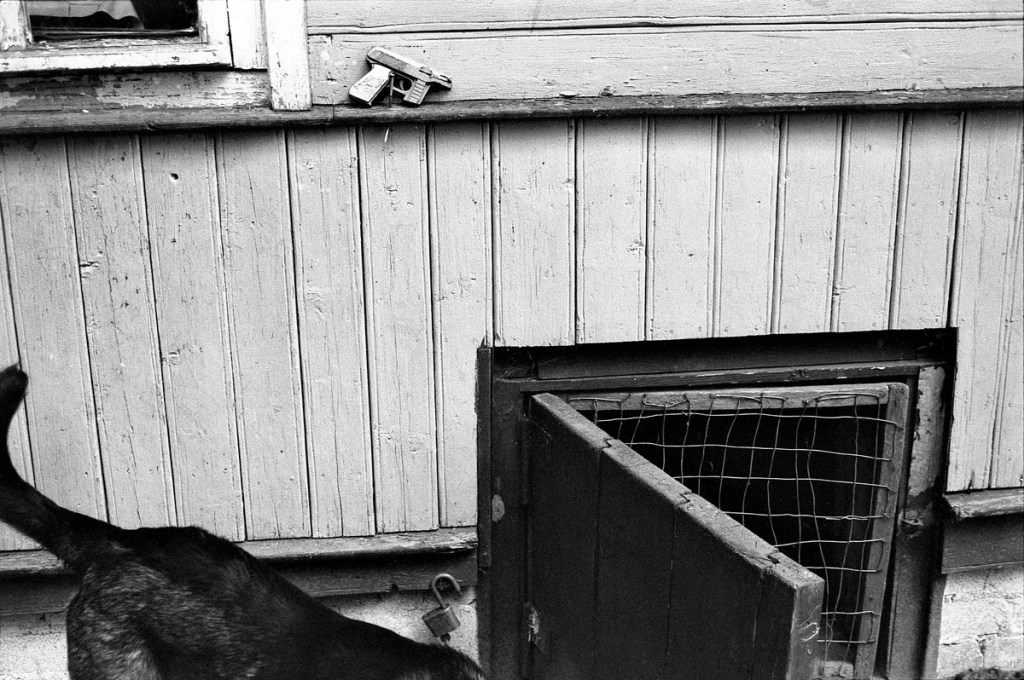
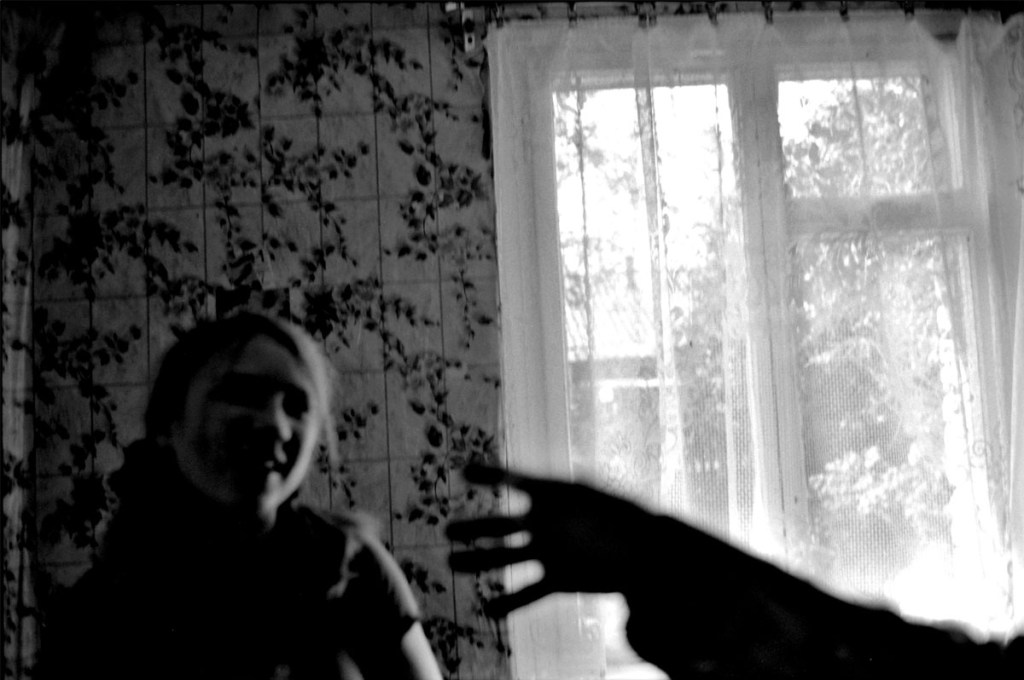

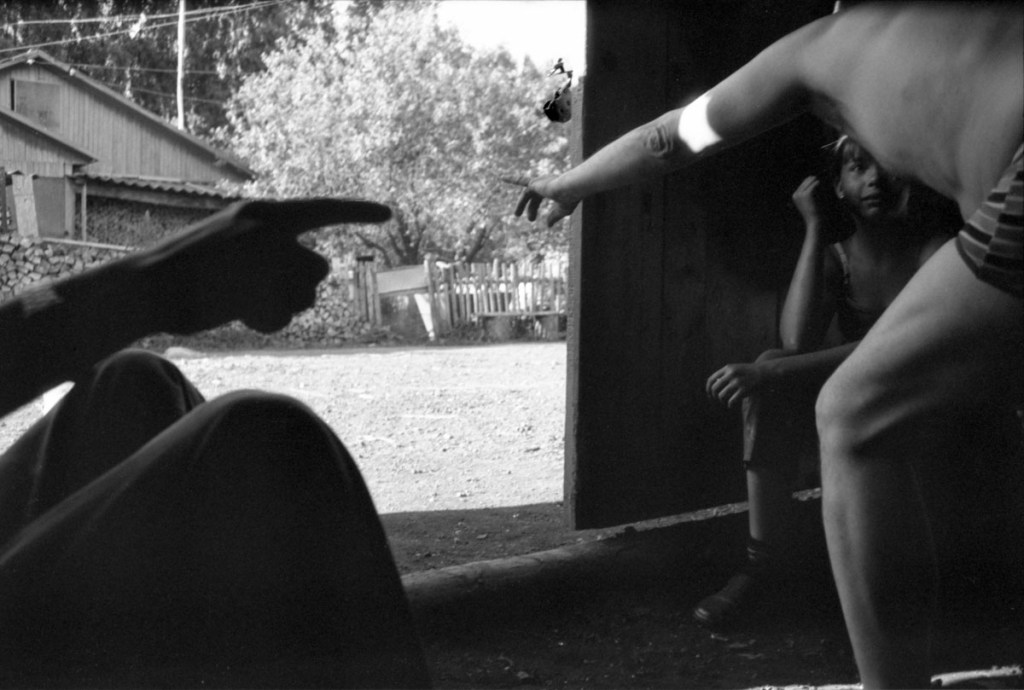
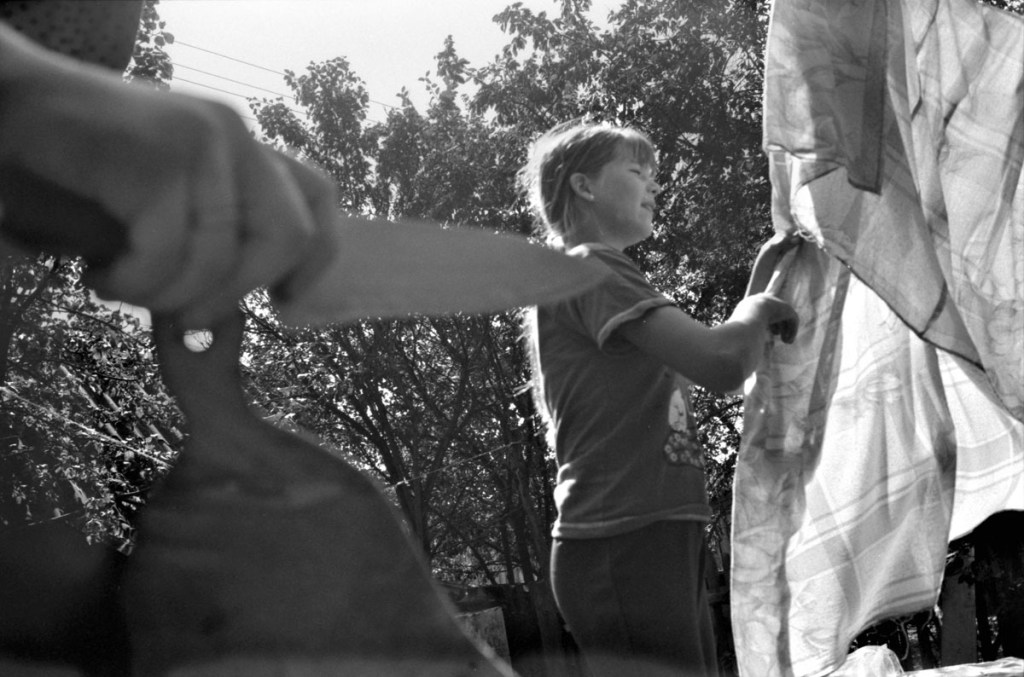
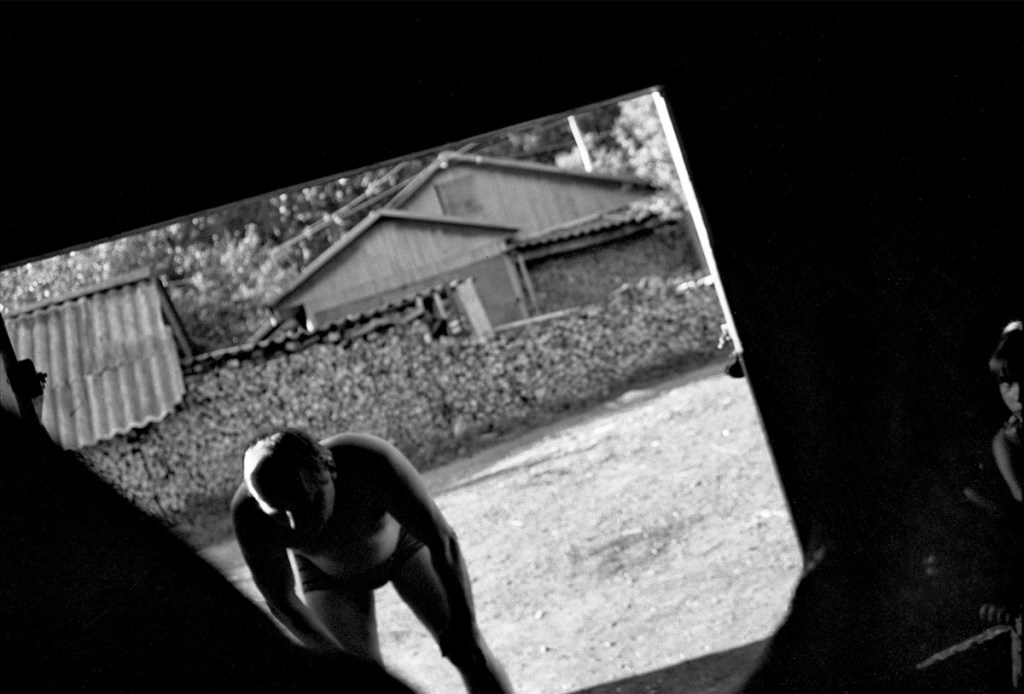
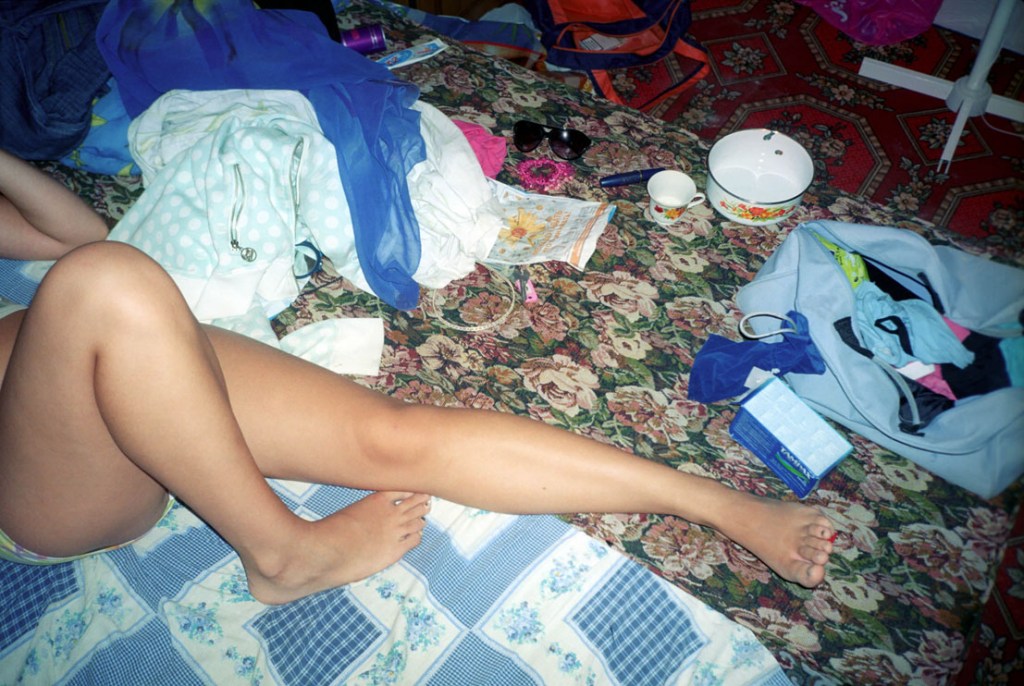
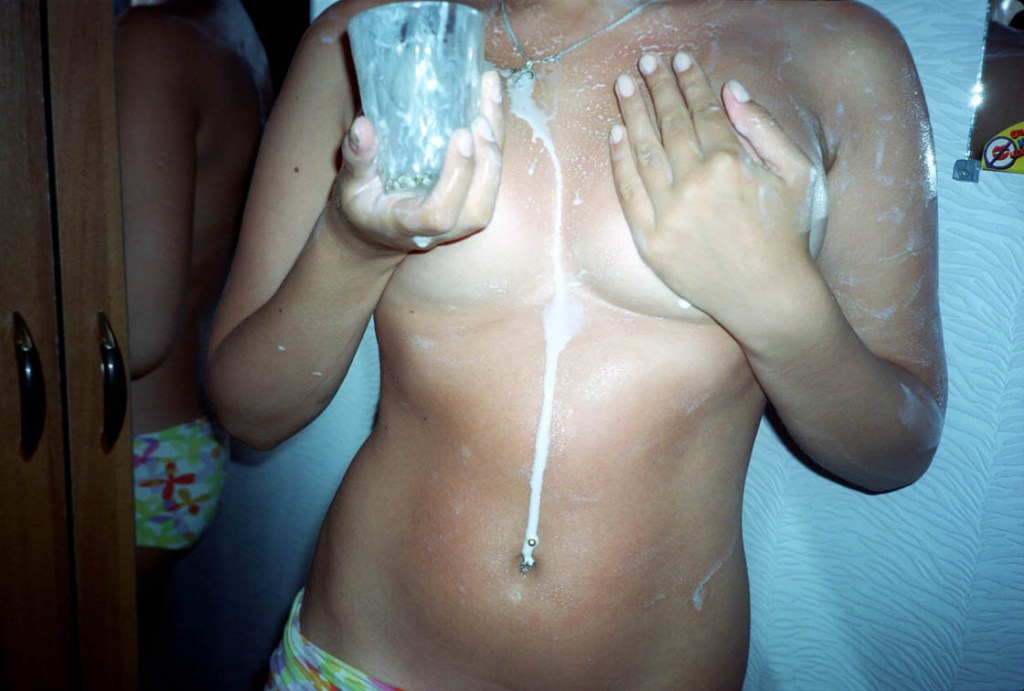
LAST SUMMER OF CHILDHOOD, series of 12 b/w photographs, 35 mm film, digitized, 2006
Selishy is a typical Russian small village comprising about 30 houses. It is situated 3 km from the Shelon River, which flows towards one of the oldest Russian cities, Novgorod. It is located 16 km away from the small town of Soltsy and its railway station, with a bus service operating three times a day. Selishy is approximately 300 km away from St. Petersburg.
During the Soviet Union era, Selishy was part of a large collective farm named after Kalinin. However, since then, the collective farm has collapsed, leading many young farmers to migrate to cities in search of employment. Consequently, only pensioners remain in the village, sustaining themselves through subsistence farming. They purchase only essential items such as bread, salt, sugar, and tobacco from the local shop using their small pensions. Opportunities for finding well-paid work in Selishy are limited, with the primary source of income being the sale of wood to Finland. Those who graduate from the rural school often leave for the city to acquire a profession and secure employment.
During the summer, children visit for vacations and bring along their own children for holidays. The primary entertainment for the youth includes attending disco parties at the club on Saturdays and occasionally going to the cinema. In hot weather, children often go to the river. Additionally, in the evenings, some gather in a garage, which functions as a pub for them.
My grandfather originates from this village. After completing his service in the army, he decided to continue working in Petersburg. Upon retirement, he returned to his native village. For 16 consecutive years, I spent my summers with my grandparents in Selishy. This summer is likely to be my final carefree childhood summer, and it lingers in my memory as a patchwork of reminiscences. Now, adulthood lies ahead.
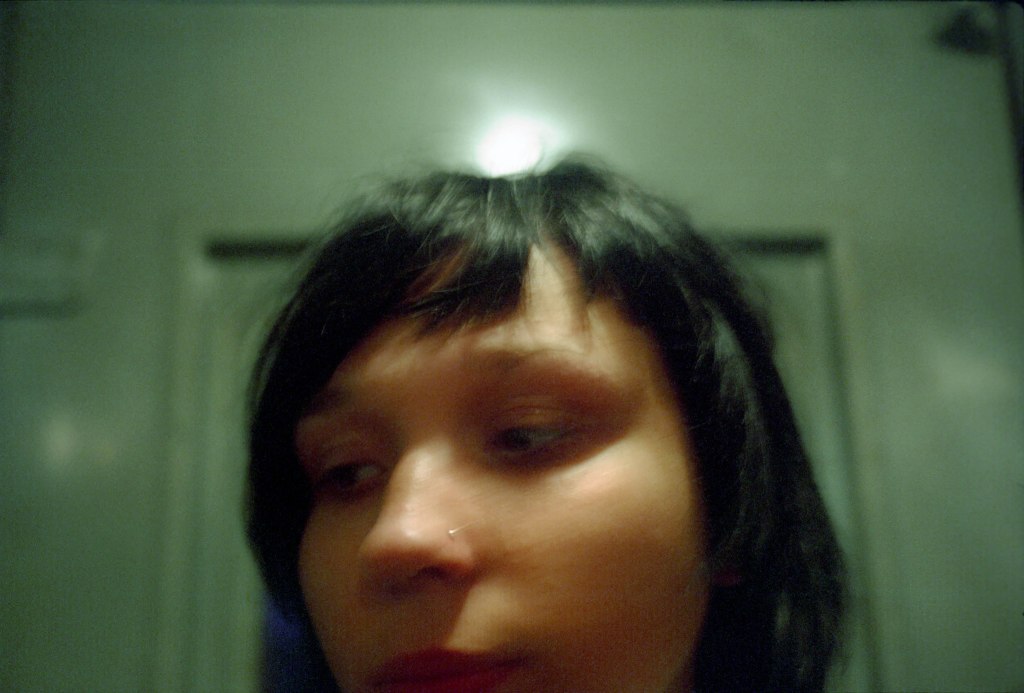
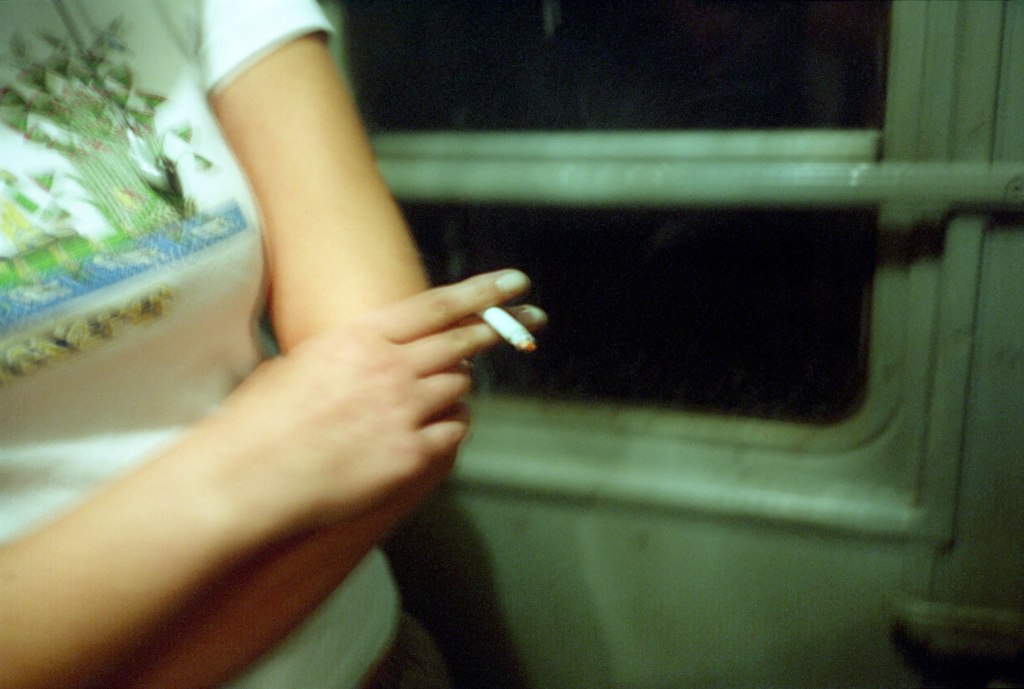
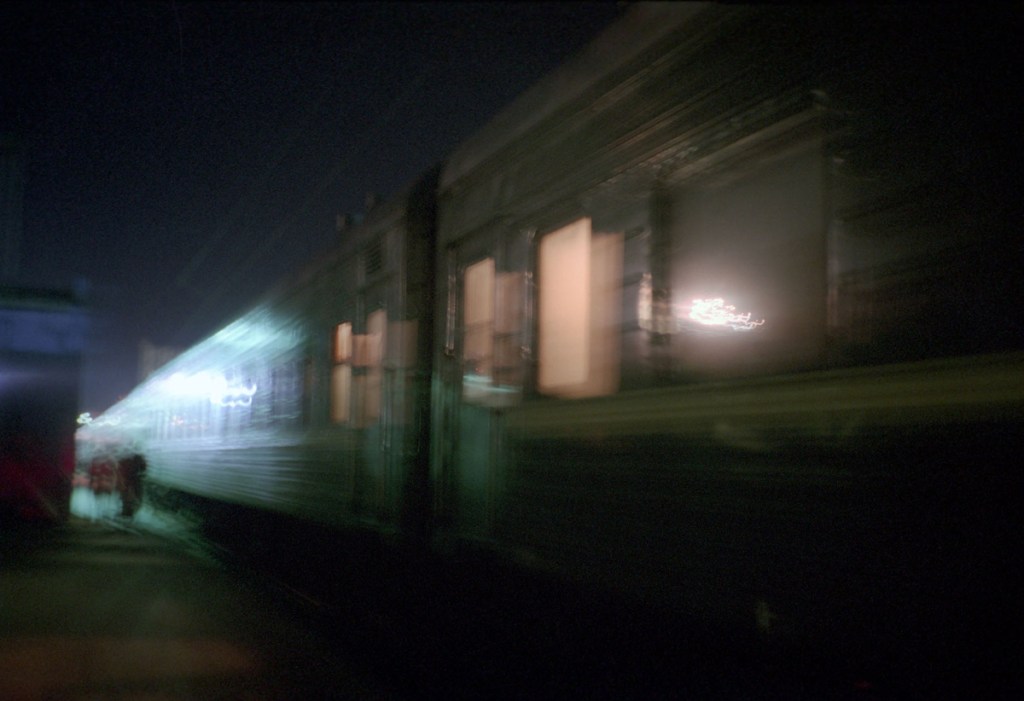


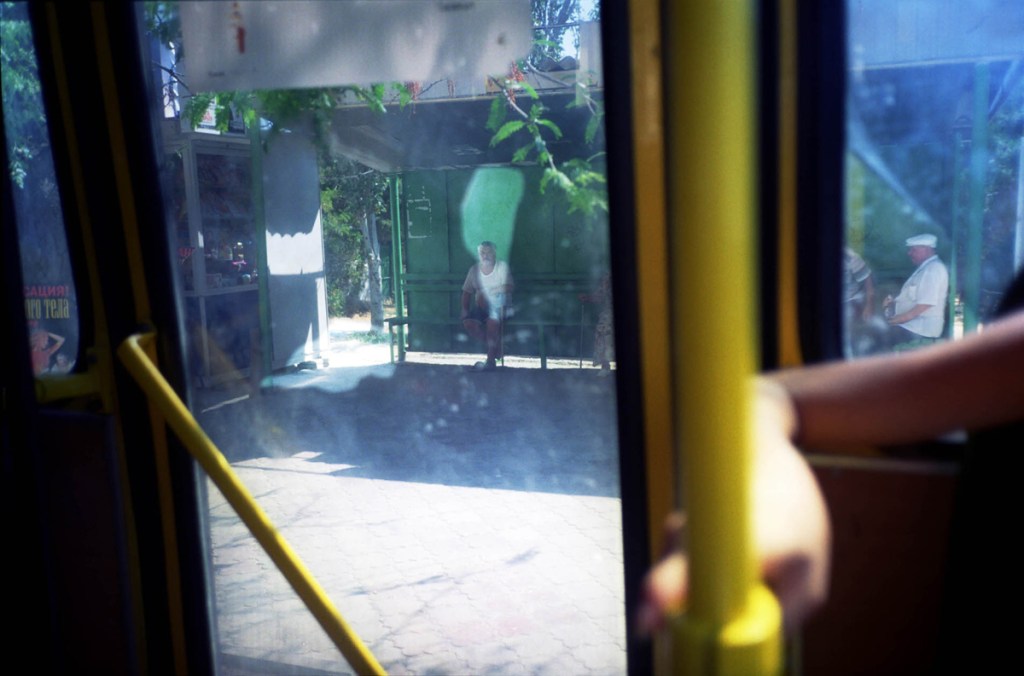
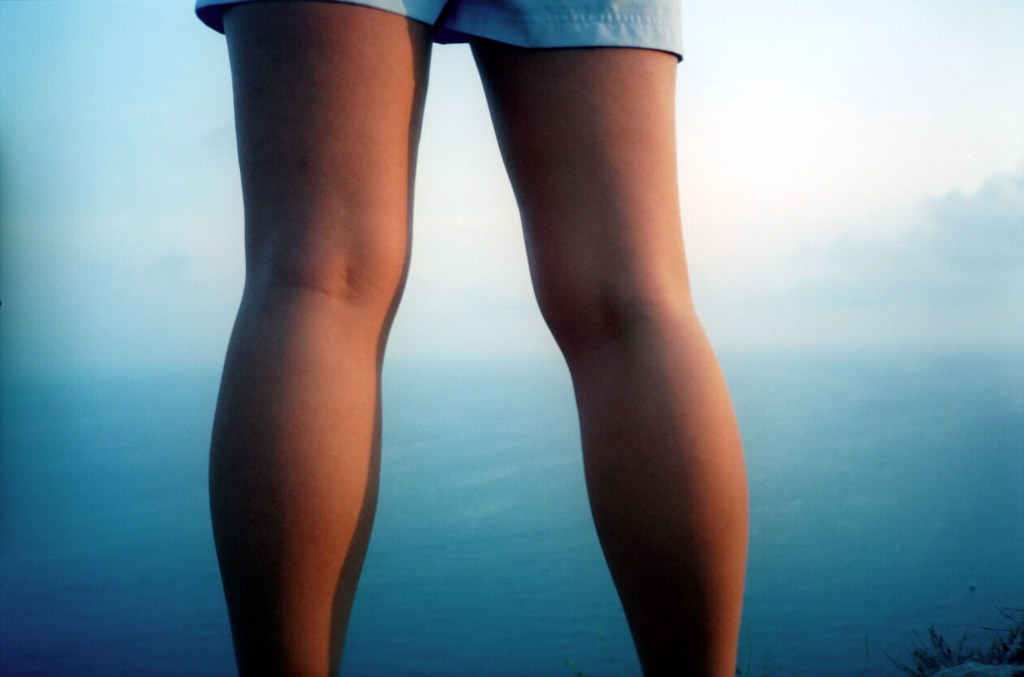
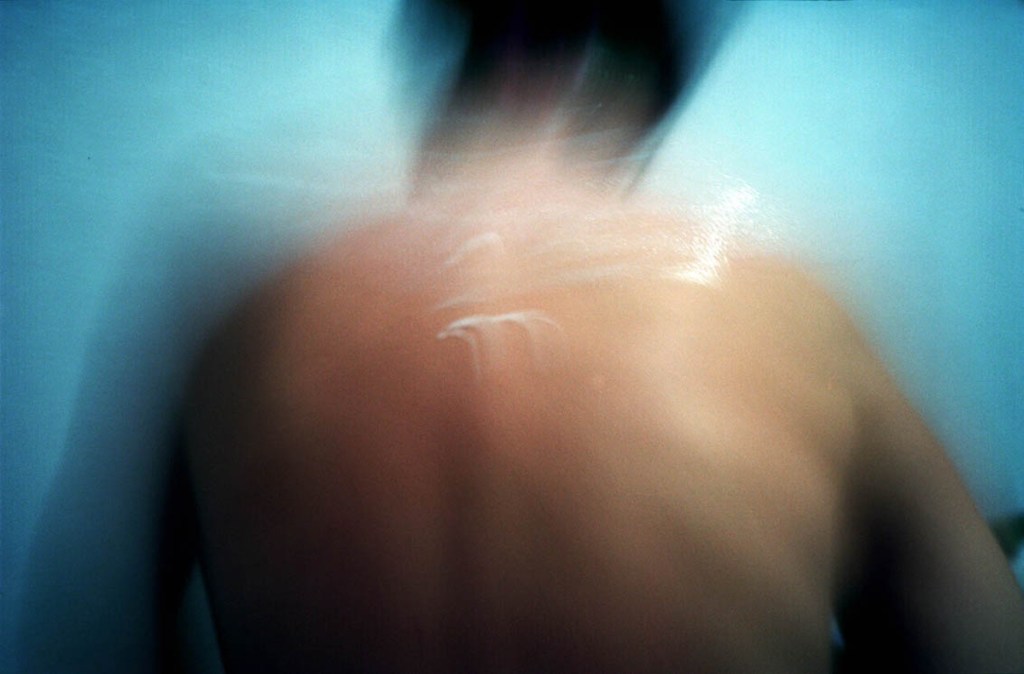
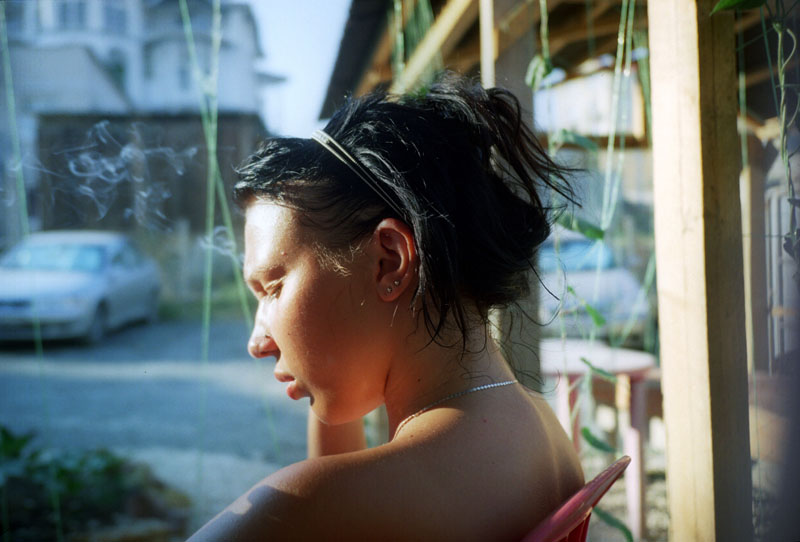
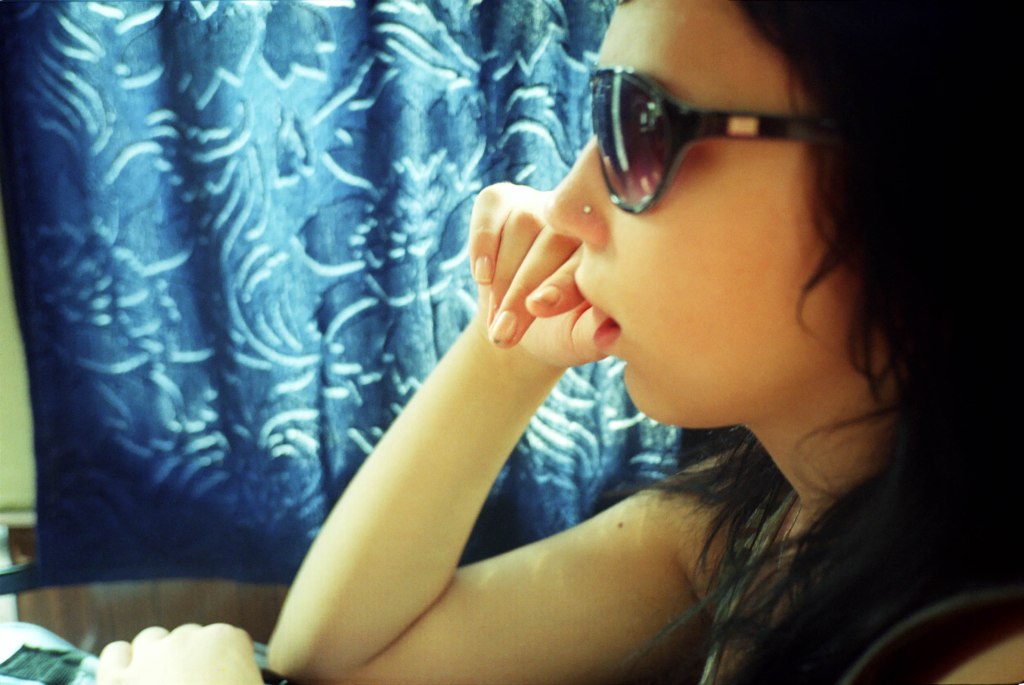
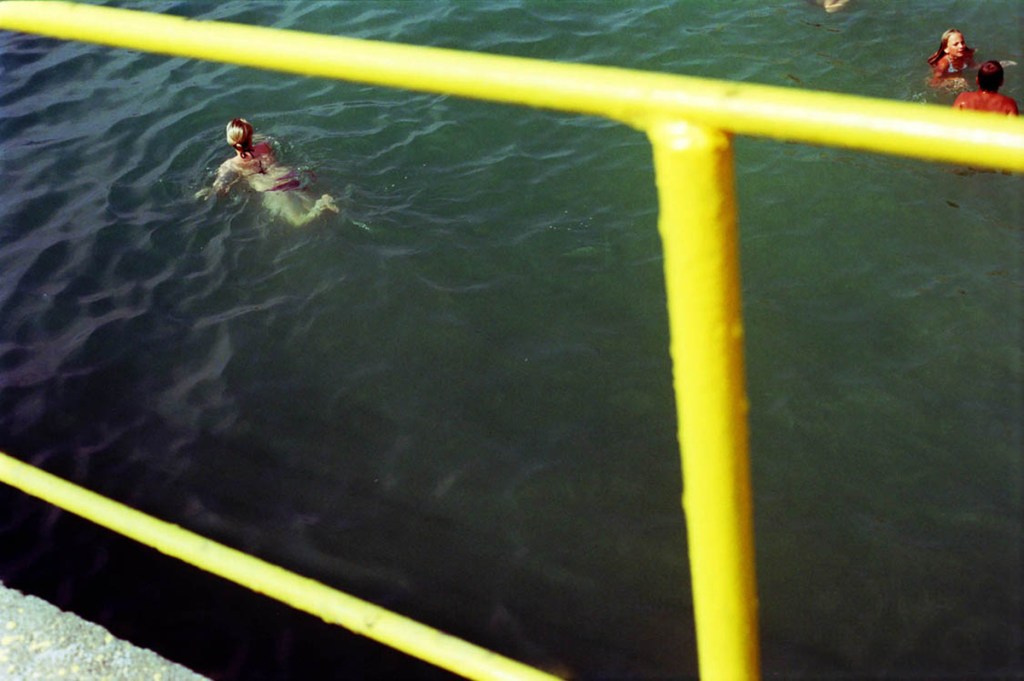
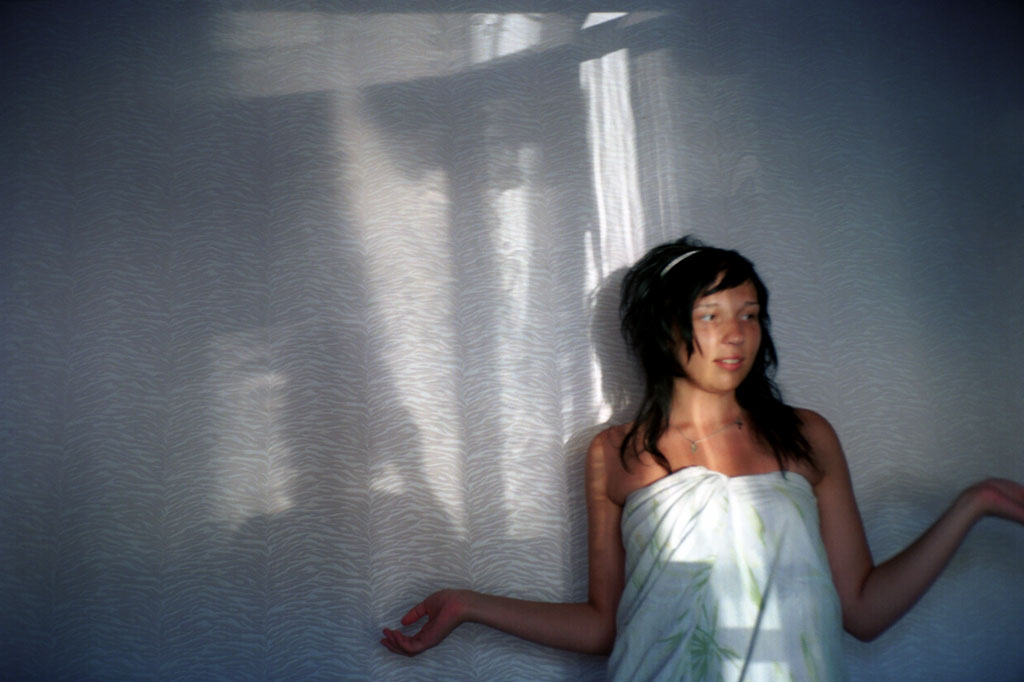

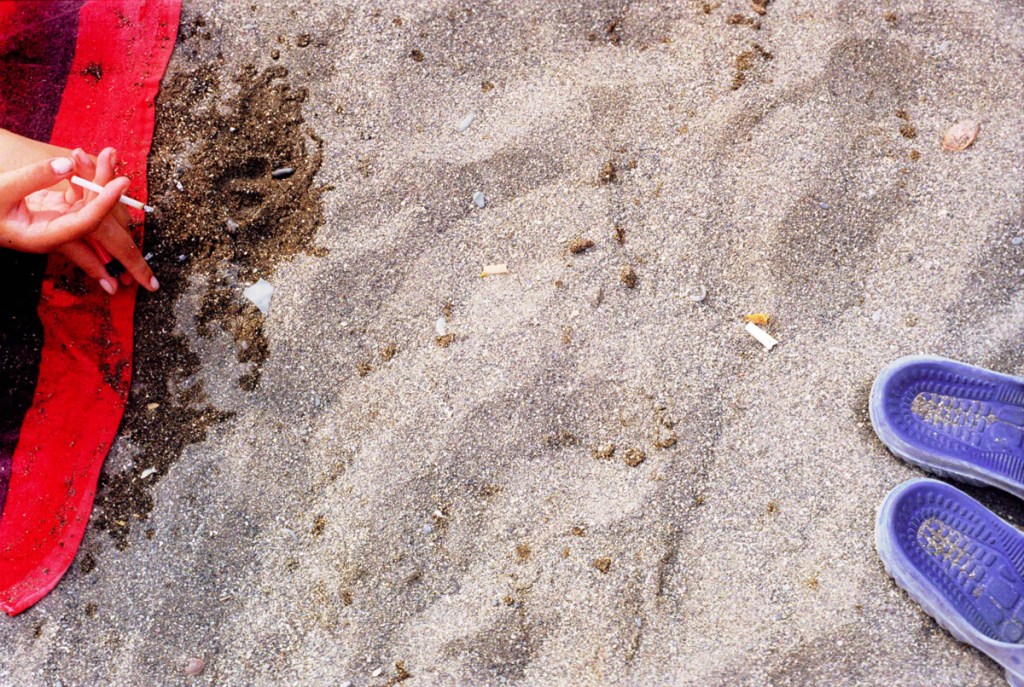
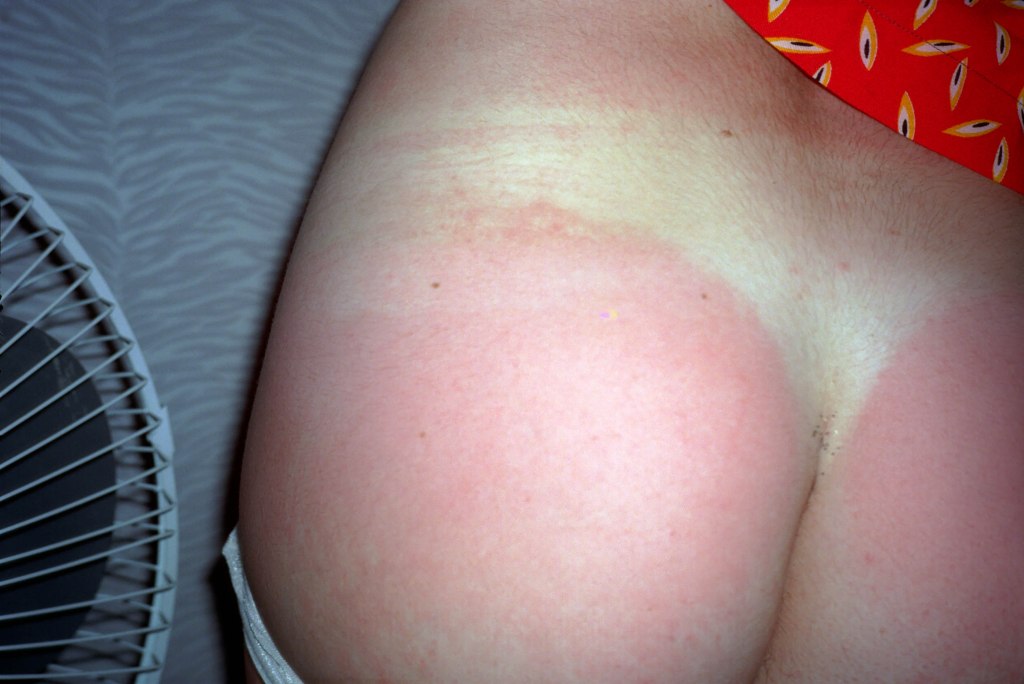
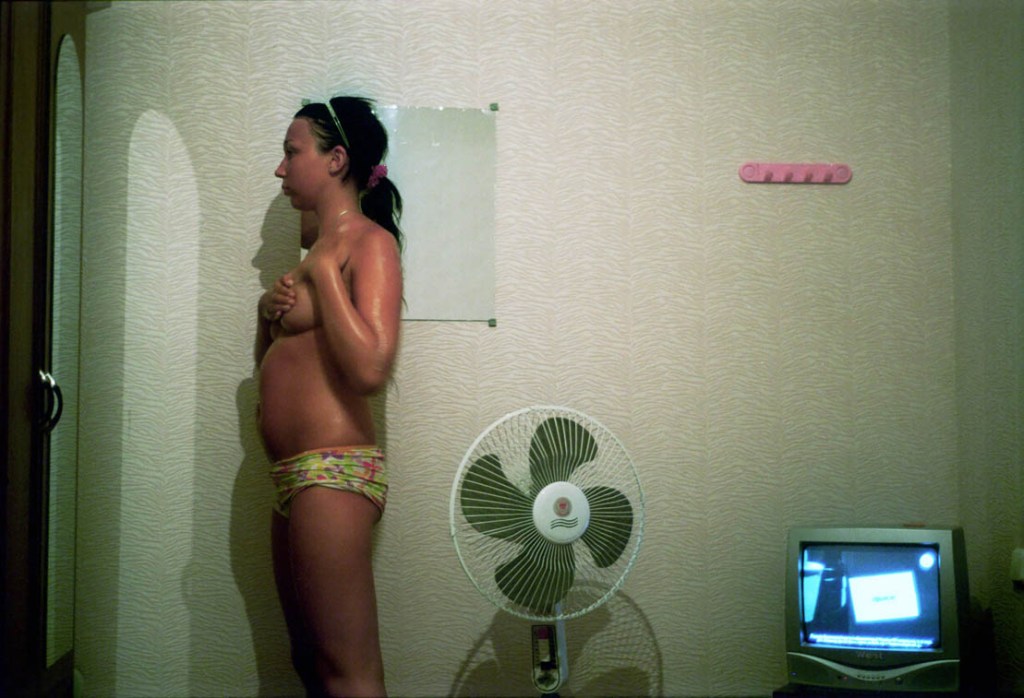
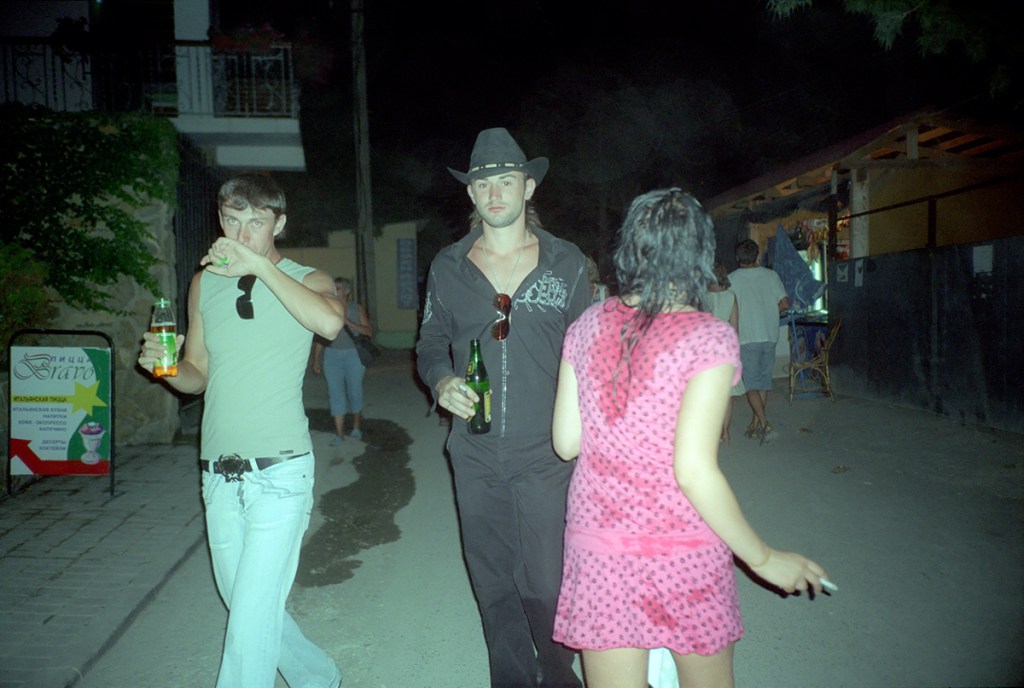
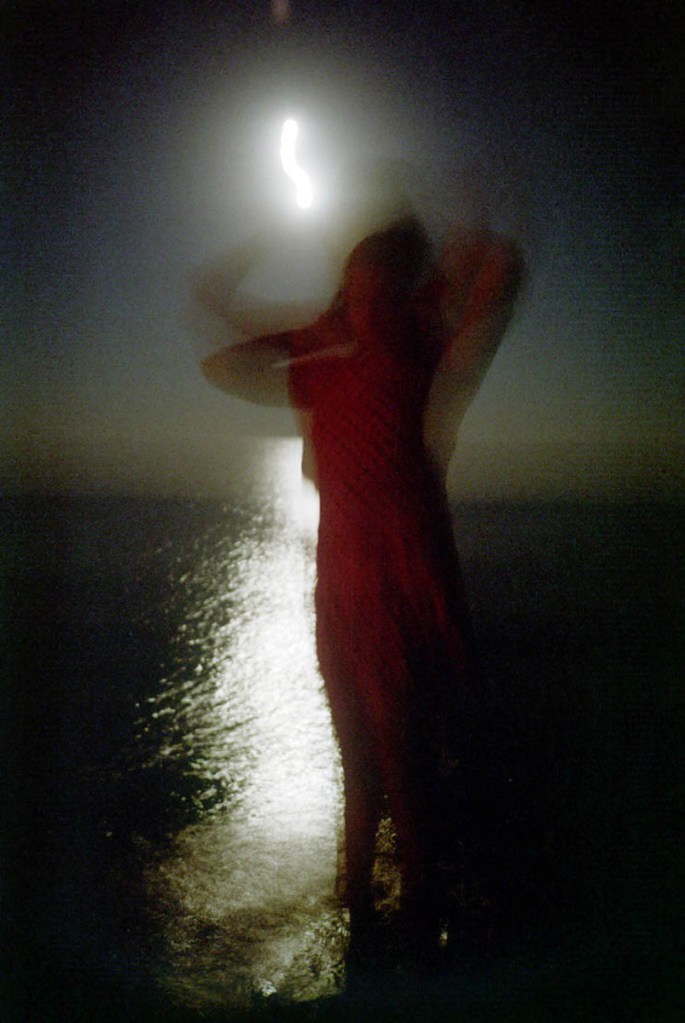

TO SEE THE SEA, photo series, color, 35 mm film, digitized, 2007
After my first year at the university, during the summer break, my school friend and I embarked on a journey together to the South of Russia, Belgorod, and then took a bus trip to Crimea. It was the first time I saw the sea.


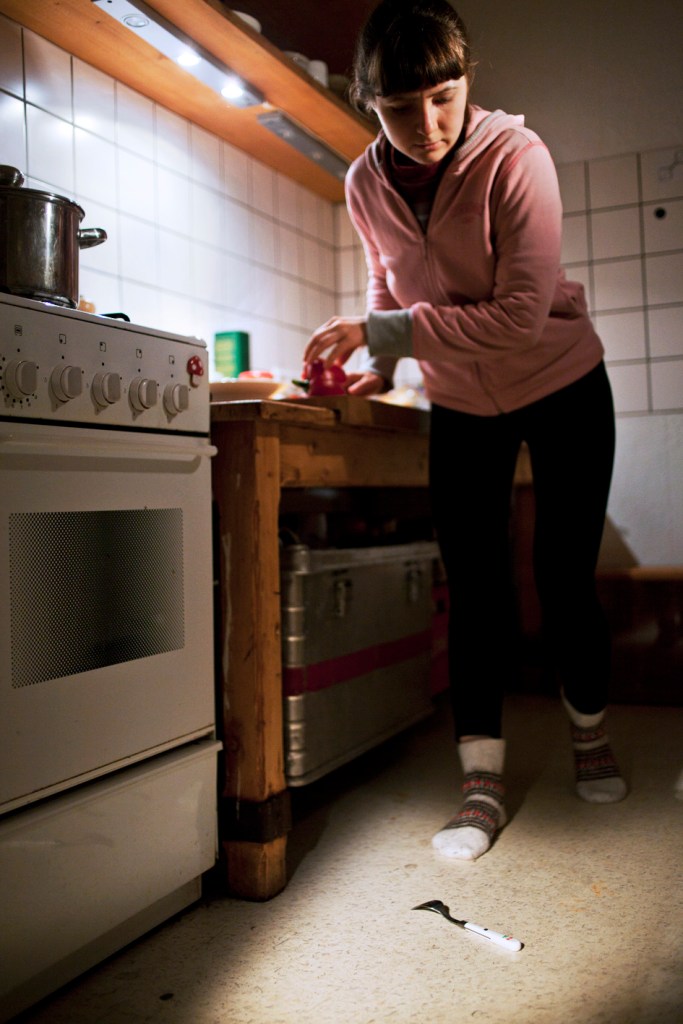




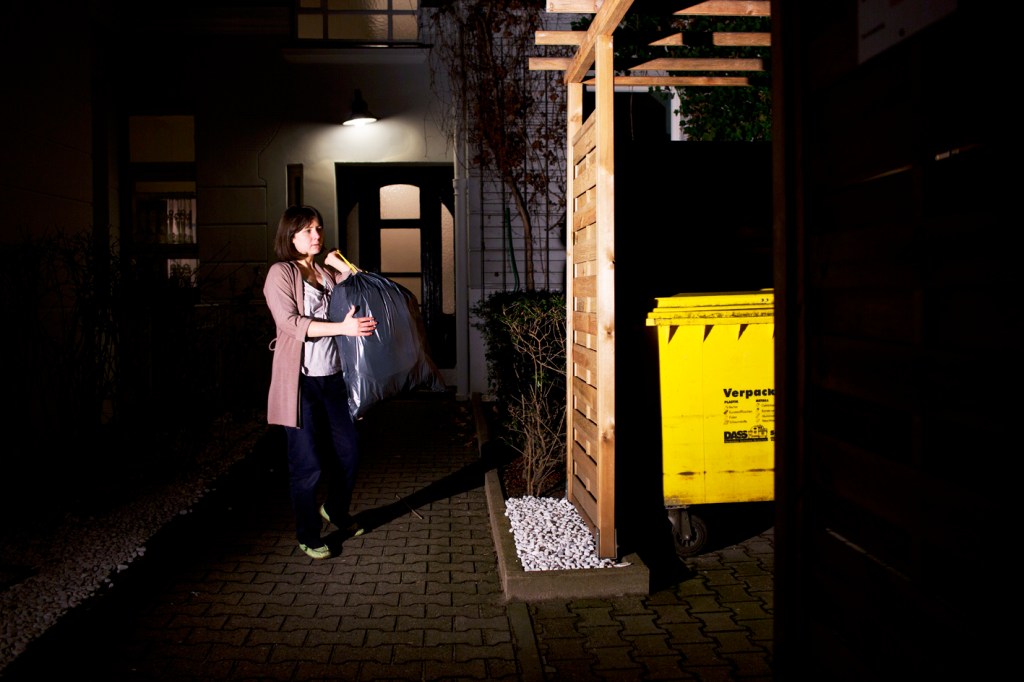
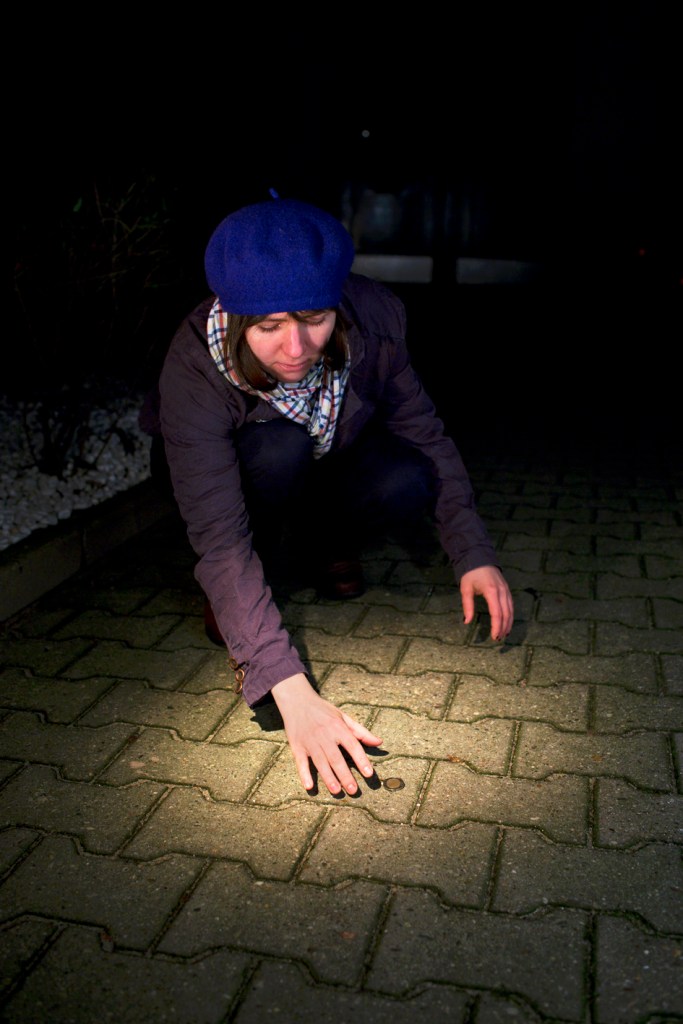
SUPERSTITIONS, series of 13 digital photographs, 2013
This project juxtaposes the old-fashioned superstitions (that still belong to everyday life of a modern Russian) with their contemporary perception in today’s environment.
1. Don’t eat from the knife – otherwise you get angry.
2. Don’t sew the clothes on your own body – otherwise your mind will be sewn up.
3. You shouldn’t sit at the edge of a table or you’ll never get married.
4. At the crossroads you shouldn’t pick anything up from the ground – that’s bad luck.
5. When a spoon or fork falls to the floor – expect a woman at home. When a knife falls – a man comes.
6. To cut your own hair – to shorten your own life.
7. Getting up from bed with your left foot – brings bad luck.
8. When the dishes break – that’s a sign of happiness.
9. If the salt is scattered on the ground, it’s bad luck. (the more, the more misfortune). Everything can still go well, if one throws a price of the scattered salt over one’s left shoulder and laughs at it.
10. Looking into a broken mirror is bad luck.
11. If two girls look in a mirror at the same time – they will fall in love with the same boy.
12. You shouldn’t take out the garbage after sunset.
13. To find a coin on the street when it shows its head – brings luck.
P.S. 13 – is an unlucky number.
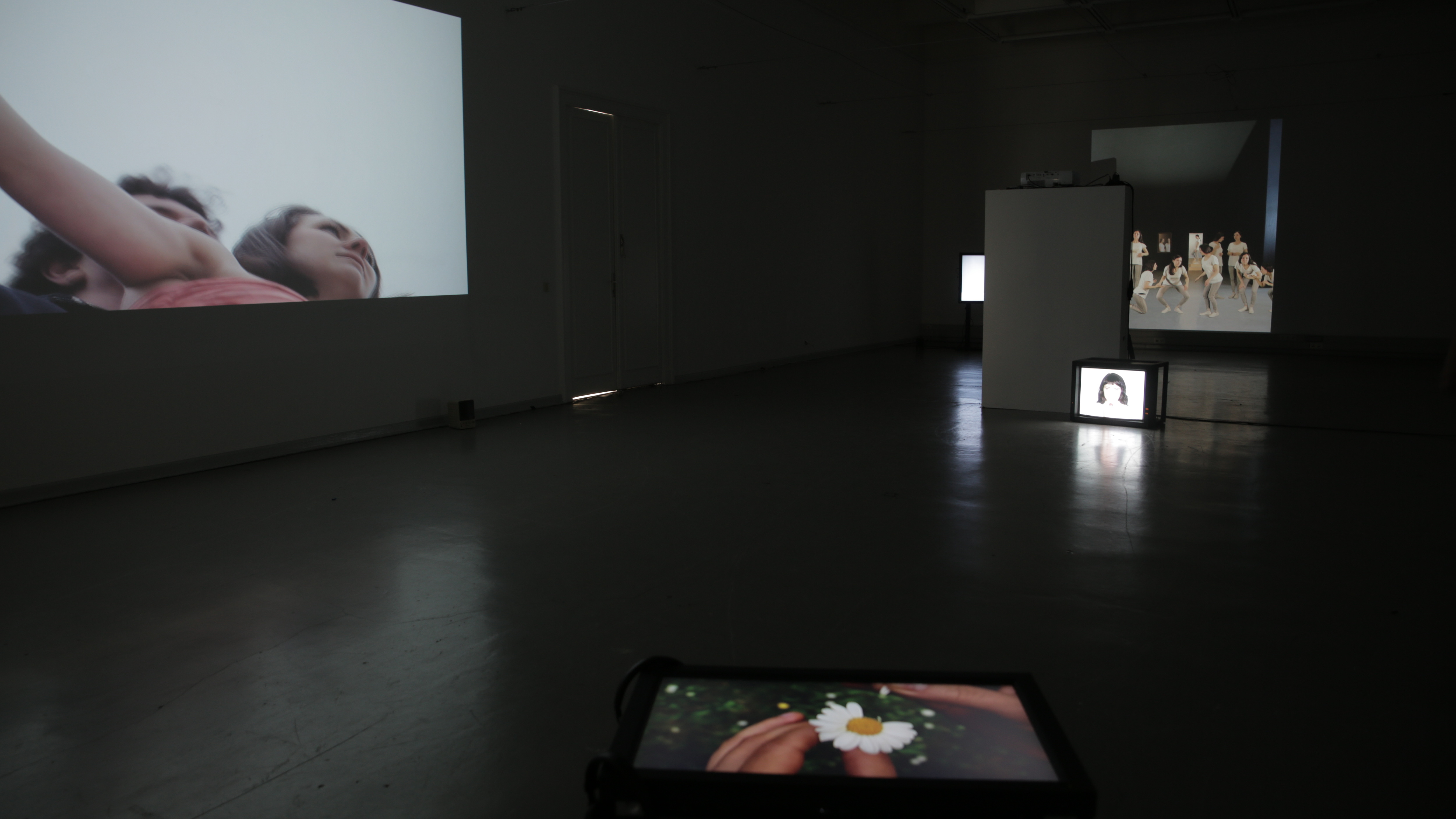


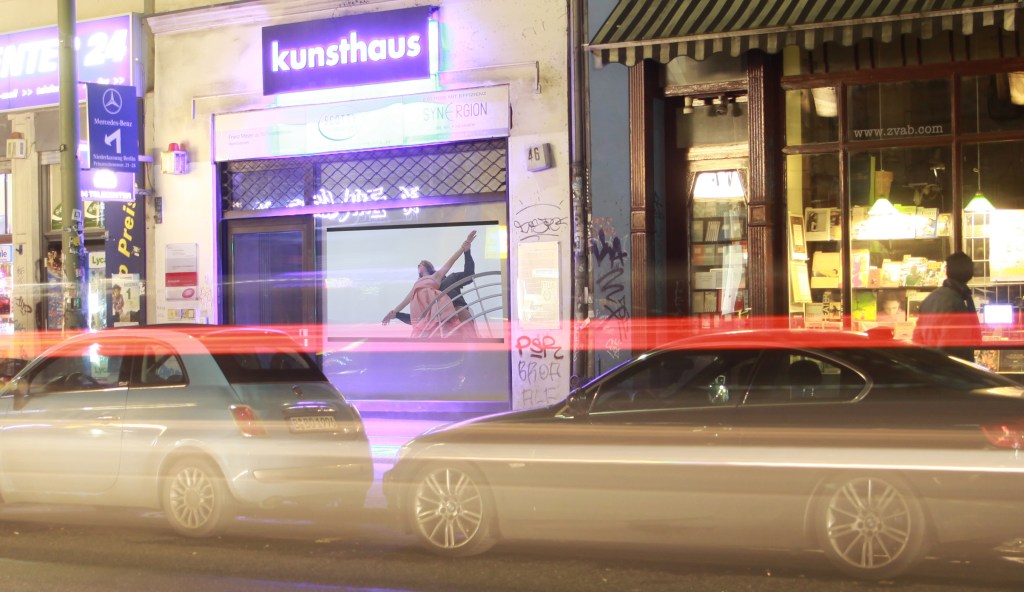
Heart of the Ocean [exhibition view]
1-Channel Video-Installation, 1:50 min, HD, 2015, colour, sound
The urban space as a backdrop, the collective memory of film history as a starting point: the gestural symbolism of freedom from an epic Hollywood blockbuster contrasts with a Berlin residential area that has been considered a social hotspot since the 1980s.

19:30 min, PAL, 2012, loop, no sound
Time runs. Tears run. Ice melts. That’s how you can describe what is happening in this video which lasts a good 20 minutes. Not much for such a long period of time in a cinematographic context. Ice cream is understood in society as something cheerful, childish and happy and is normally used in advertisements or cinema to underline insouciance. You never see ice and tears together in mass media.
According to Wikipedia: “Moral Courage is the willingness to stand up when others want you to sit down”.
I like the simplicity of this explanation. In my turn I would like to defy convention and cry holding an ice cream.

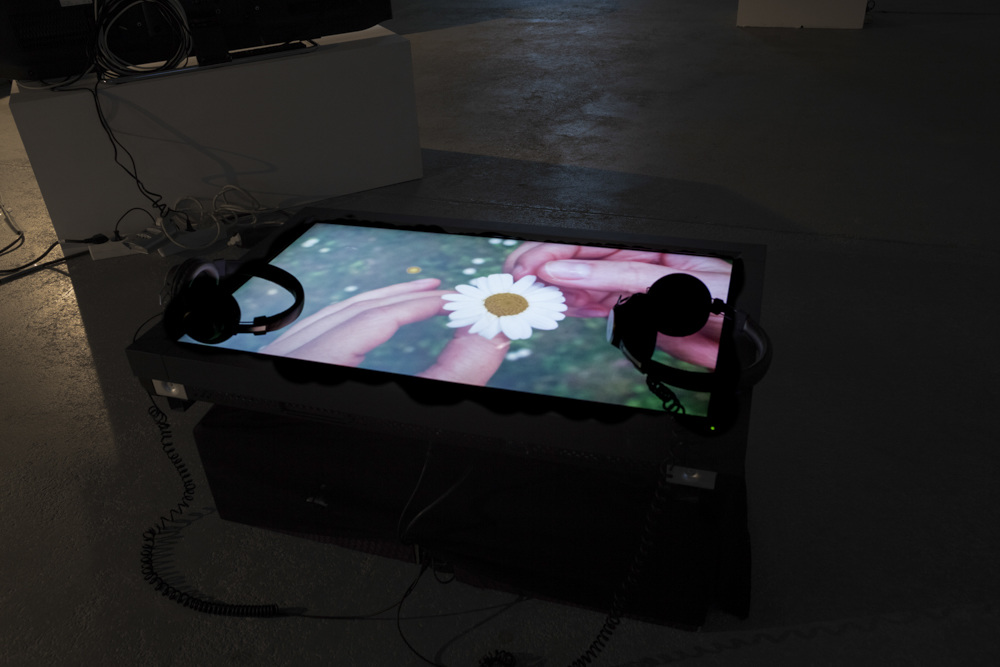

He Loves Me – He Loves Me Not
7:45 min, HD, 2012, colour, sound
Have you ever asked the head of state if he loves you? – I did. Fortune-telling is a well known practice in Russia to obtain knowledge about the future or to learn hidden mysteries. In this video the use of fortune-telling is brought to the next level of absurdity which points out the classical conflict between the “little man” and power – us and them. I am trying to find out if the Russian president loves her.
Postcards [excerpt]
Ongoing project, 1-channel video, HD, no sound
Installation: White paper 9×13 cm, pin, mini-projector
The experience of visiting tourist destinations often differs from the idealized images depicted on postcards. Instead of serene scenes, tourists encounter crowds, inclement weather, and vendors selling various items. On site you can hardly recognize the peaceful places you see on the postcards.
This project involves capturing this phenomenon by making short videos at tourist attractions in different tourist cities, such as Berlin, St. Petersburg, Prague, and Athens, among others.
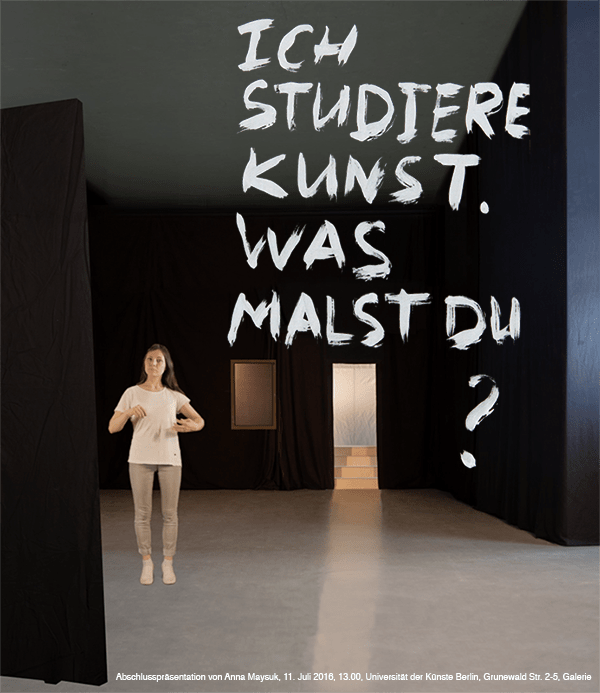
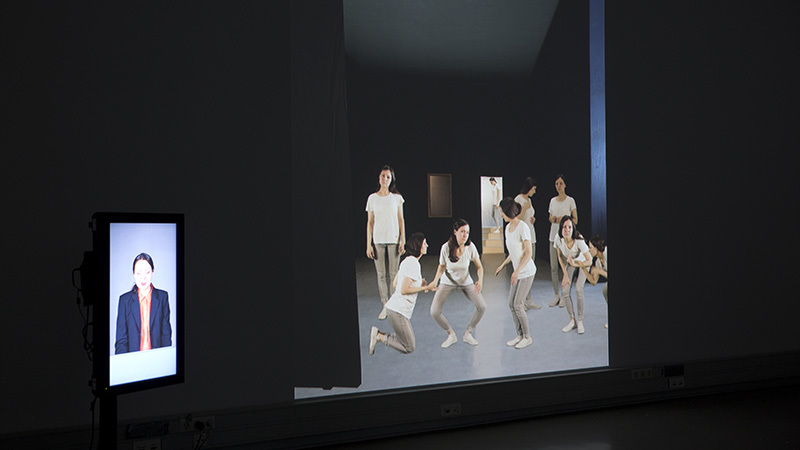
I Study Art. – What Do You Paint? [project poster, installation views]
2-channel video installation, HD, 2016, loop, sound
Final project Art and Media faculty, University of the Arts Berlin, Germany Learn more, UdK Class Experimental Film / Media Art
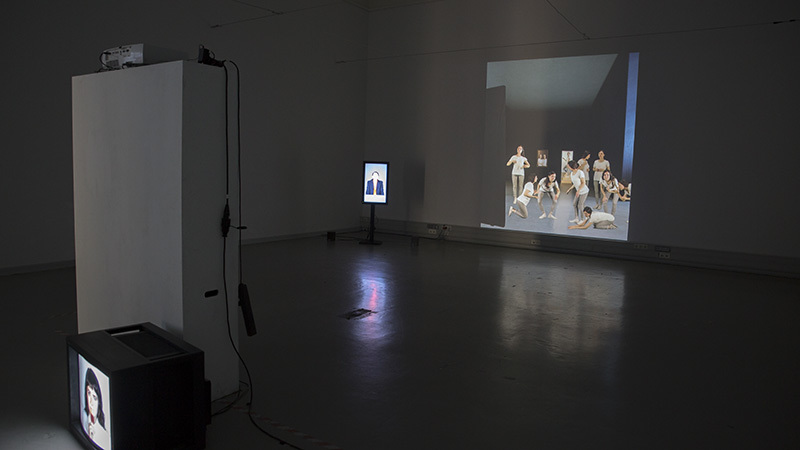
The work I STUDY ART. – WHAT DO YOU PAINT? by Anna Maysuk is an ironic commentary on how art studies are still perceived today.
“Las Meninas” by Diego Velazquez belongs to the most celebrated paintings in art history. Along with the royal family, the artist himself is depicted in the painting.
I STUDY ART. – WHAT DO YOU PAINT? shows 12 protagonists in a single image: all dressed identically, with only their poses and gestures differing. Each of these subjects is evidently the artist herself. Only the positions of the figures, who fruitlessly try to remain still, and the proportions of the artificial space hint at the original painting.
Maysuk takes on yet another role. In a monitor beside the video projection, the artist stages a video lecture in which she speaks about her own work using the words of esteemed art historians, adding another layer of self-reflection to the piece.
How many roles does an artist take on when creating a work? In a field of film and video production, where a team and collaboration are essential, the artist manifests the self. Anna Maysuk has created an artistic self-portrait in video format, accompanying her work through all phases: as author, camerawoman, actress, art critic, and finally, as a curator of her own exhibition, guiding the visitors and professors through the show during her final presentation at the University of the Arts Berlin.
Painting is characterized by the following artistic means: color, line, area, composition, perspective, light, and shadow, to name a few. Which of these means can be transferred to the medium of video? Does the original masterpiece by Diego Velázquez come to mind for the viewer, or does the setting of one of the most renowned paintings in art history remain unrecognizable?
The Sail [installation views]
00:45 min, 12-channel video installation, PAL, 2016, without sound Learn more
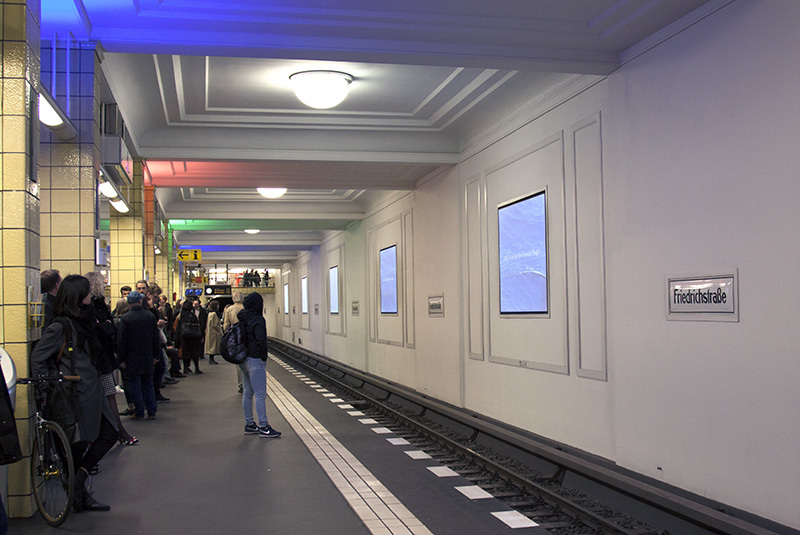
The site-specific video installation was created for the moving – images – underground, an art in public spaces project, screened at the central Friedrichstraße subway station in Berlin in 2016.
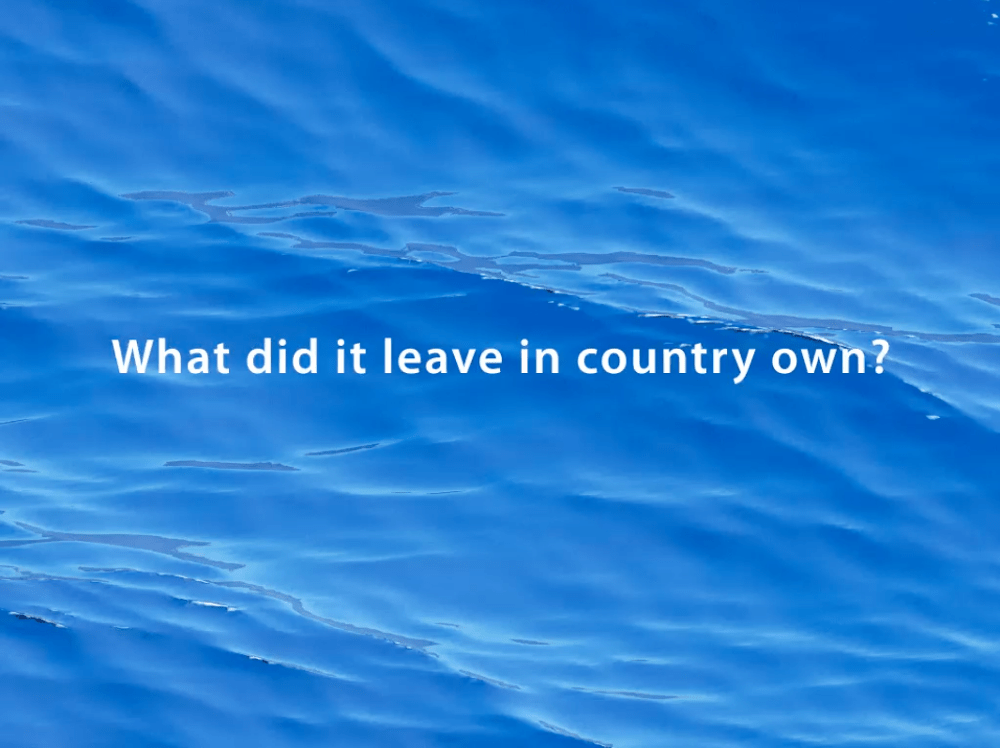
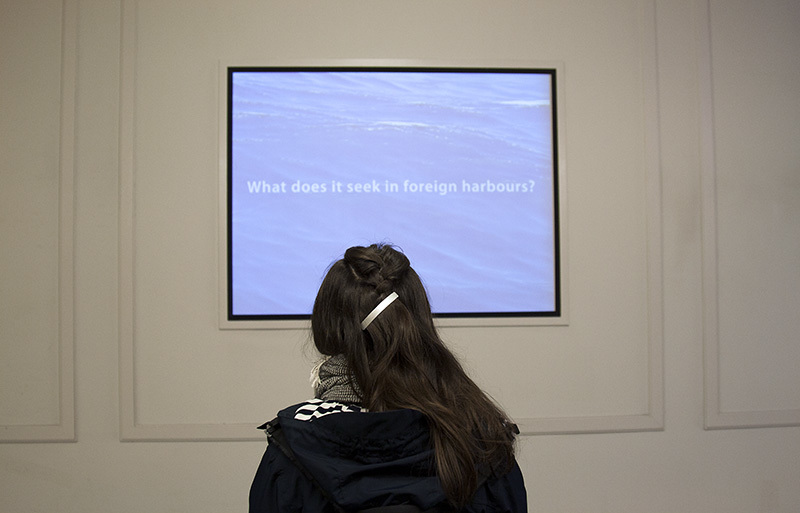
The 12-channel video projection depicts a water surface with a four-line verse from the philosophical poem “The Sail” (1832) by the famous Russian poet Mikhail Lermontov. The chosen perspective creates the feeling that, standing on the platform of Friedrichstraße, we find ourselves directly in a sailing boat.
In each of a total of 12 screens, the poem appears in a different language so that as many people as possible can read the poem in their mother tongue and thus experience a personal approach. The sailing ship in the poem is a metaphor for human existence:
“What does it seek in foreign harbors? What did it leave in country own?”
In today’s context, the last two lines can be understood not only as a search for oneself in a huge globalized world but can also be seen as a reflection on the current refugee situation.
Translations by Eric Boerner, Evgeny Bonver, Friedrich von Bodenstedt, Christoph Ferber, Zenon Gizizko, Babette Deutsch, and Avrahm Yarmolinsky.
Jagd
3 min, 16 mm film, digitized, 2016, without sound
This video humorously explores hunting and showcases various tools and facilities that humans have developed to become more successful hunters. Excerpts from the German hunting law are displayed as “analogue subtitles”—handwritten pieces of paper manually dragged through the frame—a nod to the analog technique and silent movie tradition, as the video was originally shot with a 16 mm film camera and developed by hand.
Dont’t Jump!
2-channel video installation, HD, 2012, loop, without sound
Learn more
This site-specific video installation was created for the Windows project, art in public spaces, which took place from 9 February to 16 March 2012 at the Deutscher Künstlerbund in Berlin.
Art Piece Lives In Our Memory
1:30 min, HD, 2011, sound
What interests me in this work is the possibility of creating a quote within a quote. In the film “The Dreamers” by Bertolucci, which served as material for this work, there is already a quote from the film “Queen Christina.” I have repeated all the actions of the protagonists in the chosen excerpt of the film, thereby adding another layer and creating a quote within a quote. This final layer, in conjunction with the other two, attains a critical meaning.
This work also addresses the issue of copyright and includes a reference to the white cube, the traditionally empty gallery space.
The Modern Mating Call
17:00 min, HD, 2012, b/w, sound
Performance by Charly Roussel – double bass & sound
Video by Anna Maysuk – lights, camera, editing
 ANNA MAYSUK STUDIO